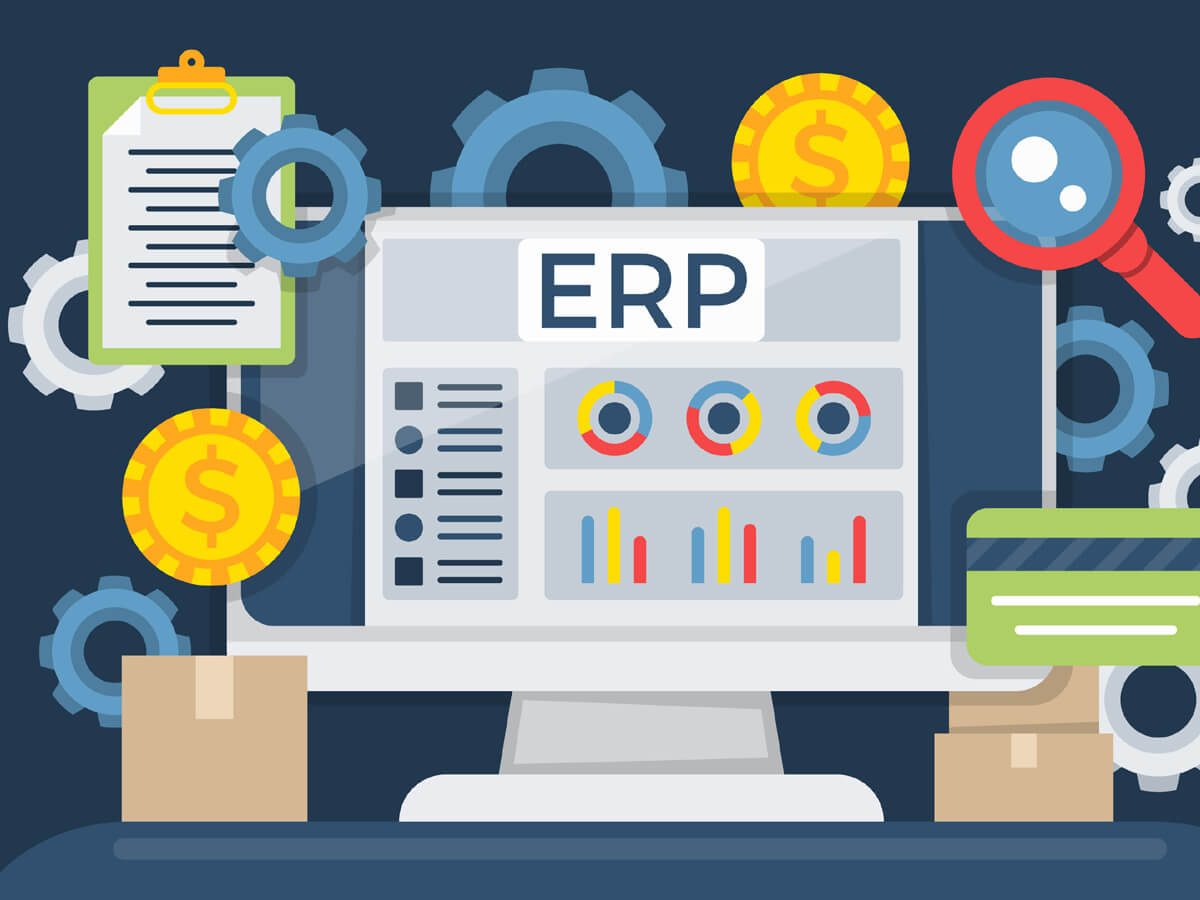
Selecting the right ERP modules requires understanding operational priorities and identifying which areas create the highest business impact. For most SMEs, finance and inventory management provide the strongest foundation. Finance ensures accurate bookkeeping, regulatory compliance and real-time cash visibility, while inventory links purchasing and sales to maintain optimal stock levels.
After stabilizing financial and inventory workflows, businesses typically benefit from implementing sales and order management. These modules synchronise customer orders, stock reservations, invoicing cycles and delivery commitments—reducing errors and improving fulfilment speed.
HR and payroll modules come next, streamlining employee records, attendance, leave, performance tracking and salary processing. Integrated HR eliminates manual spreadsheets, prevents payroll errors and enhances compliance with labour regulations.
Advanced modules—procurement automation, manufacturing/production, fixed assets, CRM, BI dashboards, service management—can be added as the business grows. Modular expansion helps companies adopt capabilities gradually without overwhelming users or triggering large upfront investments.
When prioritizing modules, evaluate expected ROI, integration complexity, data readiness, user workload, process maturity and the level of automation required. A phased approach maximizes adoption, reduces risk and enables continuous optimization based on real operational feedback.