Businesses often outgrow legacy systems that depend heavily on spreadsheets, siloed tools and manual reconciliation. These fragmented environments create data inconsistencies, slow month-end closing cycles and increased operational risk. When teams struggle to maintain accuracy or spend excessive time on manual adjustments, it is a strong indicator that the existing system is limiting growth and scalability.
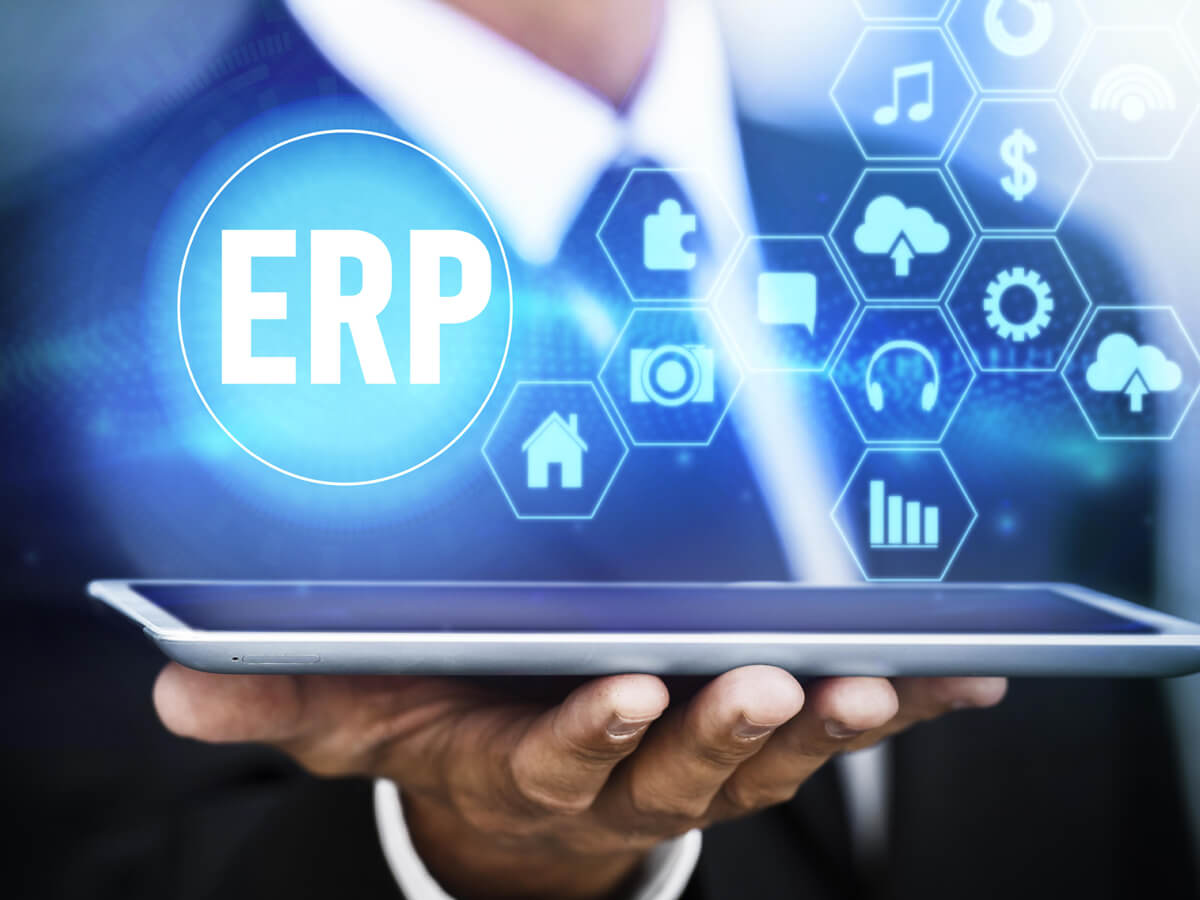
Signs of needing an ERP upgrade include lack of real-time reporting, inability to integrate new sales channels, inconsistent inventory visibility, duplicated data entry and slow approval workflows. Modern operations demand agility, cross-platform integration and predictive insights—none of which outdated systems can reliably provide.
An ERP upgrade introduces automated workflows, stronger role-based access controls, audit trails, advanced reporting and robust integrations with e-commerce, POS, CRM and finance applications. It streamlines transactions, improves compliance and reduces operational overhead. Businesses gain visibility into their KPIs instantly—stock levels, cash flow trends, order health, procurement delays and customer satisfaction metrics.
Planning an upgrade requires stakeholder alignment, realistic timeline estimation, data cleanup, sandbox testing and phased deployment. Organizations should evaluate risk areas, prepare migration scripts and run multiple test cycles to ensure accurate data conversion. A pilot rollout helps validate new workflows before full-scale adoption.
Ultimately, upgrading to a modern ERP protects long-term scalability. It reduces reliance on manual processes, strengthens reporting accuracy, enhances collaboration and positions the organization for digital transformation. Companies that modernize early gain a competitive advantage, operating with greater efficiency, insight and control.